PILOT

AI-Powered Resilience Intelligence for Global Supply Chains

Resilience HQ connects climate, sourcing and geopolitical signals with the commodities, regions and supply chains they affect. Teams can understand what is exposed, what the potential impact could be and where intervention should be prioritised.
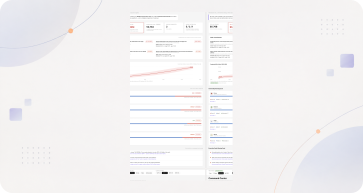
Climate and supply chain risks are visible. Their financial consequences often are not.

Global businesses already monitor risk from multiple sources.

Resilience HQ connects the signal to the exposure and the exposure to action.

Climate teams track environmental change.

Procurement monitors suppliers and sourcing regions.

Risk teams follow geopolitical events.

Sustainability teams assess long-term exposure.

Finance evaluates commercial performance.

A drought may appear in a climate report.

Crop stress may appear in agricultural data.

Conflict may appear in a risk alert.

Introducing *Resilience HQ*

One intelligence layer for supply chain and commodity resilience.

Crop stress increases.

Forest loss accelerates.

Conflict disrupts regions.

Built for *Resilience Decisions*

Connect emerging risk with financial exposure and prioritise the actions that matter most.

Commodity and Sourcing Risk Intelligence

Maintain a live view of exposure across commodities and sourcing regions, understanding where climate, environmental and geopolitical conditions could affect supply.

Climate Scenario Modelling

Understand how long-term climate conditions could affect your sourcing footprint. Model exposure across different climate pathways.

Live Operational Risk Signals

Strategic modelling explains what may happen over time. Operational signals help teams understand what may be changing now.

Financial Exposure Intelligence

Move from understanding that a risk exists to understanding what it could mean for the business, translating disruption into measurable exposure.

Intervention Planning

Knowing where risk exists is only the first step. Compare potential interventions and understand the value they may protect.

Budget Optimisation

Resilience investment is rarely unlimited. Explore how different budget decisions affect the overall risk position.

Why Traditional *Supply Chain Risk Monitoring* Falls Short

Traditional risk monitoring often focuses on isolated events rather than connected exposure.

Traditional platforms focus on

✓

Climate alerts

✓

Supplier risk

✓

Geopolitical events

✓

Commodity data

✓

Historical disruption

Metrics, not judgement.

What Resilience HQ does instead

✓

The difficult part is connecting them.

✓

A drought alert does not automatically explain which commercial assets are exposed.

✓

A crop stress signal does not automatically show the potential financial impact.

✓

A risk report does not automatically identify which intervention should receive funding first.

✓

Resilience HQ connects external signals with sourcing dependencies, commercial exposure and potential interventions.

Decisions, ranked by impact.

Connect *the Signals Across Your Supply Chain*

Resilience HQ is designed to bring together the data sources organisations already use to understand sourcing and disruption.

No duplicate data entry.

No disconnected spreadsheets.

One continuously updated intelligence layer.

Climate data

Commodity data

Supplier and sourcing information

Agricultural risk indicators

Forest and land-use monitoring

Crop stress data

Geopolitical and conflict data

Internal commercial data

Risk management systems

Sustainability and resilience programmes

Designed for *Teams Managing Long-Term Risk*

Every function sees the same resilience intelligence through the lens of the decisions they own.

Maintain a connected view of emerging risks and understand how multiple external conditions may affect the organisation.

Chief Risk Officer

Understand where sourcing dependencies are exposed and prioritise action across commodities and regions.

Chief Procurement Officer

Connect climate and environmental risks with the operational and commercial consequences they may create.

Chief Sustainability Officer

Identify which regions and commodities require attention before disruption creates wider operational consequences.

Supply Chain Leaders

Understand the commercial exposure behind long-term risk and compare the potential value of different resilience investments.

Finance and Strategy Teams

Platform *Outcomes*

Resilience HQ helps organisations:

↓

Identify emerging supply chain risks earlier

↓

Connect climate risk with commercial exposure

↓

Compare long-term resilience scenarios

↓

Monitor live operational risk signals

↓

Prioritise sourcing regions and commodities

Before Supply Disruption Appears, the *Signals* Are Already Changing.

From risk signals to clear action.

Instead of responding only after supply conditions deteriorate, organisations can identify where intervention may protect the greatest value.

Common Early Signals

Watch for these patterns across your operations

⌸

Major supply disruptions rarely begin with a single event.

⌸

The signals often appear earlier.

⌸

Temperatures shift.

⌸

Crop conditions deteriorate.

⌸

Water stress increases.

⌸

Land-use patterns change.

*Resilience* Intelligence, Not Just Risk Monitoring

Resilience Intelligence, Not Just Risk Monitoring

It connects the conditions creating risk with the commodities, sourcing regions and commercial value that depend on them.

From *Risk Signals* to Clear Action

Resilience HQ is not another dashboard filled with alerts. It is designed to answer three practical questions.

1

Where is supply most exposed right now?

2

Which disruptions would cost the most?

3

Where should intervention happen first?

By connecting climate scenarios, live operational signals, sourcing dependencies and financial exposure, Resilience HQ helps teams move from monitoring disruption to prioritising resilience.

Instead of responding only after supply conditions deteriorate, organisations can identify where intervention may protect the greatest value.

Each insight includes

Context

The background behind the issue and why it matters.

Business impact

The potential effect on operations, reporting or compliance standing.

Evidence

Supporting data points that confirm the pattern.

Next step

A recommended action to address the issue before it escalates.

The platform then helps teams explore what different interventions could achieve.

The goal is not simply to generate more alerts.

Resilience becomes something that can be monitored, modelled and actively managed rather than discussed only after disruption occurs.

Frequently Asked *Questions*

Common questions about Resilience HQ.

What is Resilience HQ?

+

Resilience HQ is an AI-powered intelligence platform designed to help organisations understand how climate, environmental and geopolitical risks may affect commodity sourcing and supply chains. It connects risk signals with sourcing dependencies, commercial exposure and potential interventions to support better resilience decisions.

Can Resilience HQ model long-term climate risk?

+

Yes. The platform is designed to model exposure across different climate scenarios, helping organisations understand how changing conditions could affect sourcing regions and commodities over time.

Does Resilience HQ use live risk data?

+

Yes. The concept combines long-term scenario modelling with operational signals that can include crop stress, forest and land-use alerts, conflict data and other regional risk indicators.

Can the platform quantify financial exposure?

+

Yes. Resilience HQ is designed to connect sourcing and risk data with commercial information to help teams understand what value may be exposed across different regions and commodities.

Can Resilience HQ help prioritise interventions?

+

Yes. The platform is designed to compare potential resilience programmes based on the value they may protect, the investment required and other relevant factors, helping teams prioritise where resources may have the greatest impact.

Is Resilience HQ a supply chain monitoring platform?

+

Not only. Traditional monitoring focuses on identifying disruption. Resilience HQ adds an intelligence layer that connects risk signals with financial exposure, scenario modelling and intervention planning.

The signals of disruption often appear before the disruption itself.

Resilience HQ connects climate, sourcing and operational signals with commercial exposure, helping organisations understand what is at risk.

See how ESG HQ transforms enterprise sustainability data into executive decisions.

Book a Live Demonstration

No commitment required. Tailored to your organisation.