Blog
Trump AI Czar: What the New Role Could Mean for U.S. AI Policy

September 23, 2026

time
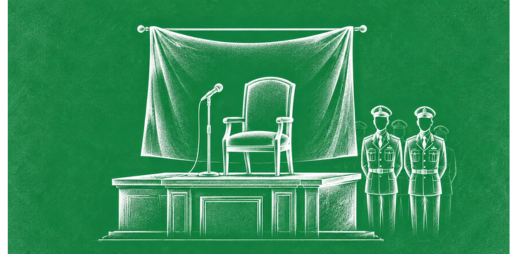
President Donald Trump has announced plans to appoint a new AI czar alongside his proposed AI Force.
The announcement comes as the U.S. government increasingly treats artificial intelligence as a strategic technology involving economic competitiveness, infrastructure and national security.
The exact responsibilities have not yet been defined.
However, the role could potentially involve coordinating AI policy across different parts of the federal government.
That could include areas such as:
AI infrastructure
Federal AI adoption
Regulation
National security
Research
Data centers
Industry relationships
David Sacks previously served as Trump's AI and crypto czar before moving into a different advisory role. His tenure helped shape the administration's approach to AI policy.
AI policy currently touches multiple agencies and sectors.
Without coordination, businesses can face conflicting requirements across areas such as cybersecurity, privacy, procurement and infrastructure.
A centralized AI policy role could potentially make government coordination easier.
At the same time, the eventual authority of the position will depend on how the administration formally defines it.
Companies operating in the U.S. should pay attention to future announcements around:
Federal AI standards
Data center policy
AI procurement
Model safety requirements
Export controls
State versus federal regulation
The AI czar role is therefore less about one individual and more about how the U.S. government chooses to organize its approach to AI.
As AI becomes infrastructure for business, government policy will increasingly influence how companies build, deploy and scale it.
Have a project in mind? We'd love to hear about it. Tell us what you're building and let's explore what's possible.
hello@globalnodes.com
+91 9873388887