Blog
Multi-Agent Systems for Complex Operational Workflows

October 13, 2026

time
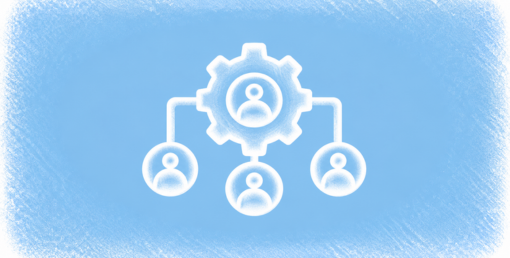
Some business processes are too complex or too broad for a single agent. Multi-agent systems distribute responsibilities across specialized agents that collaborate to complete larger workflows.
Multi-agent approaches are useful when:
Examples include research agents that feed analysis agents, or intake agents that hand off to specialized resolution agents.
Collaboration introduces new design requirements. Agents need shared context, clear handoff protocols, and mechanisms to resolve conflicts or failures. Without strong coordination, multi-agent systems can become difficult to debug and govern.
Central orchestration, shared memory patterns, and explicit success criteria for the overall workflow help keep the system coherent.
Each additional agent expands the permission and monitoring surface. Consistent logging, unified observability, and clear ownership of the end-to-end process are essential. Human oversight should still apply at the points of highest impact, regardless of how many agents are involved.
Organizations exploring more sophisticated agent architectures can benefit from experienced design and implementation. GlobalNodes Custom AI Agent Development Services include multi-agent systems capable of handling complex workflows and distributed operational tasks with appropriate controls.
Complex work can be automated, but only when the system of agents remains understandable and governable.
Have a project in mind? We'd love to hear about it. Tell us what you're building and let's explore what's possible.
hello@globalnodes.com
+91 9873388887