Blog
How AI Has Increased Diagnostic Accuracy

July 15, 2026

time
<numberList>
Has AI improved diagnostic accuracy? Yes. AI helps identify diseases earlier by analyzing medical images, patient records, and clinical data with high consistency.
Where is AI most effective? Radiology, pathology, cardiology, ophthalmology, and cancer detection.
Does AI replace doctors? No. AI supports clinicians by providing faster insights and reducing diagnostic errors.
</numberList>
Healthcare organizations increasingly use AI to improve diagnostic accuracy and patient outcomes.
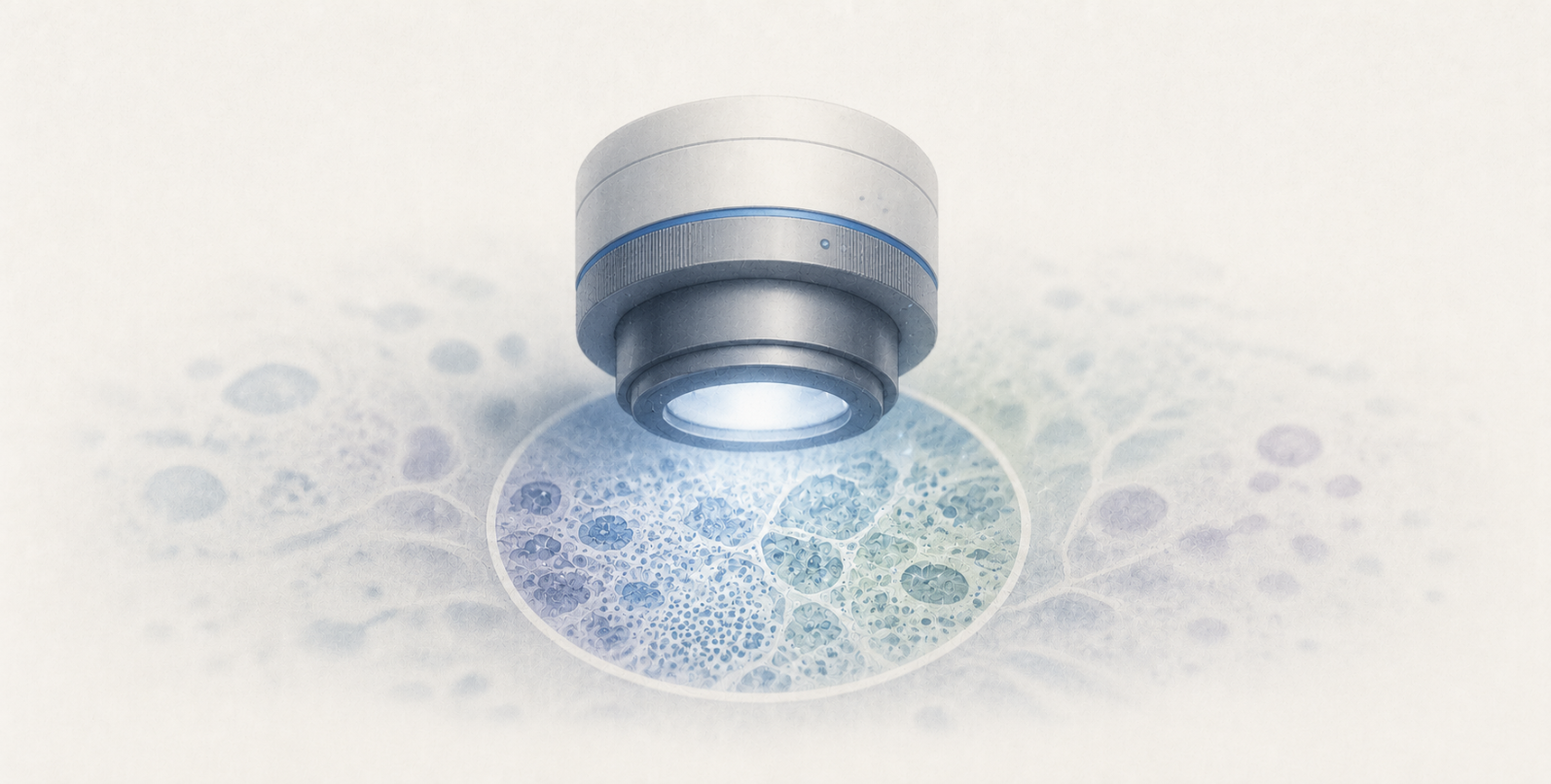
Machine learning models analyze thousands of medical images within seconds, identifying patterns that may be difficult for humans to detect consistently. AI also combines imaging, lab reports, and patient history to provide decision support.
Key benefits include:
<checklist>
</checklist>
However, successful implementation requires high-quality data, regulatory compliance, and seamless integration with clinical workflows.
At GlobalNodes, we help healthcare organizations implement secure AI solutions that integrate with existing healthcare systems while maintaining privacy and compliance.
AI is not replacing clinicians—it is empowering them with better insights for more confident decisions.
Have a project in mind? We'd love to hear about it. Tell us what you're building and let's explore what's possible.
hello@globalnodes.com
+91 9873388887